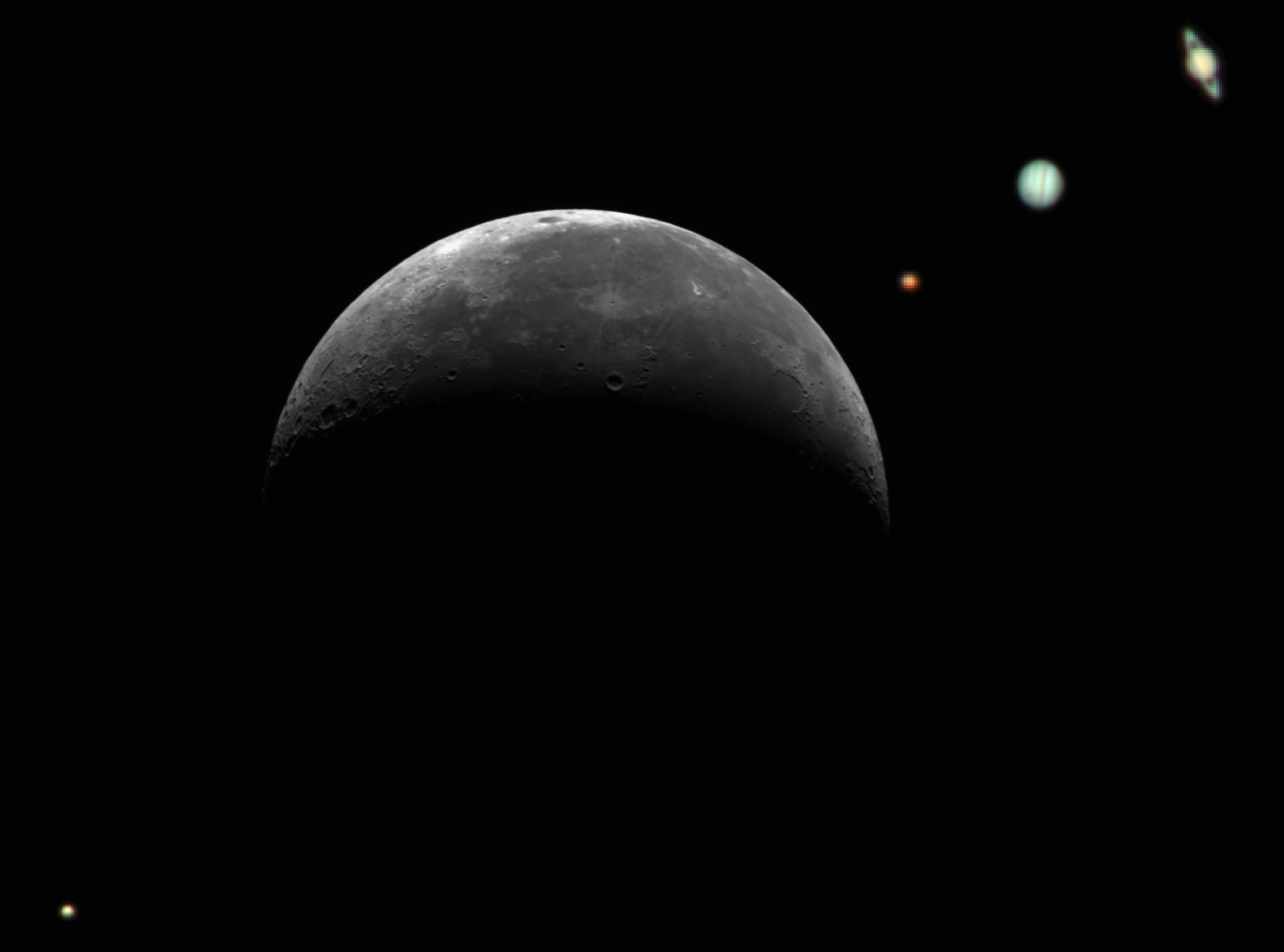
„Lift up your eyes to heaven and see. Who has created these things? It is the One who brings out their army by number; He calls them all by name. Because of his vast dynamic energy and his awe-inspiring power, Not one of them is missing (…)”
Middle Eastern poem about the stars, 8th century BCE
Our recent pictures
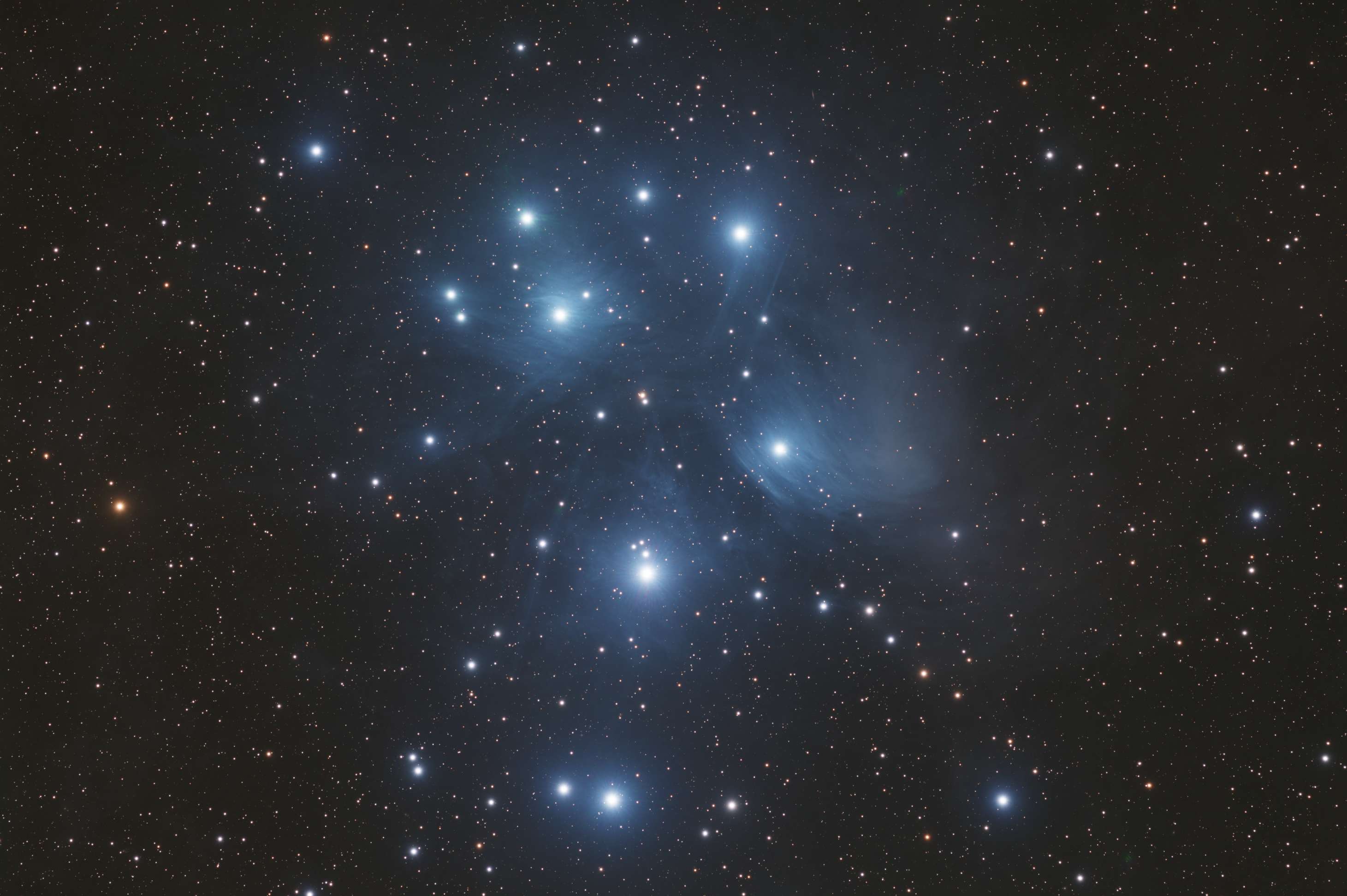
Beehive Cluster
M44 / NGC 2632 / Cr 189
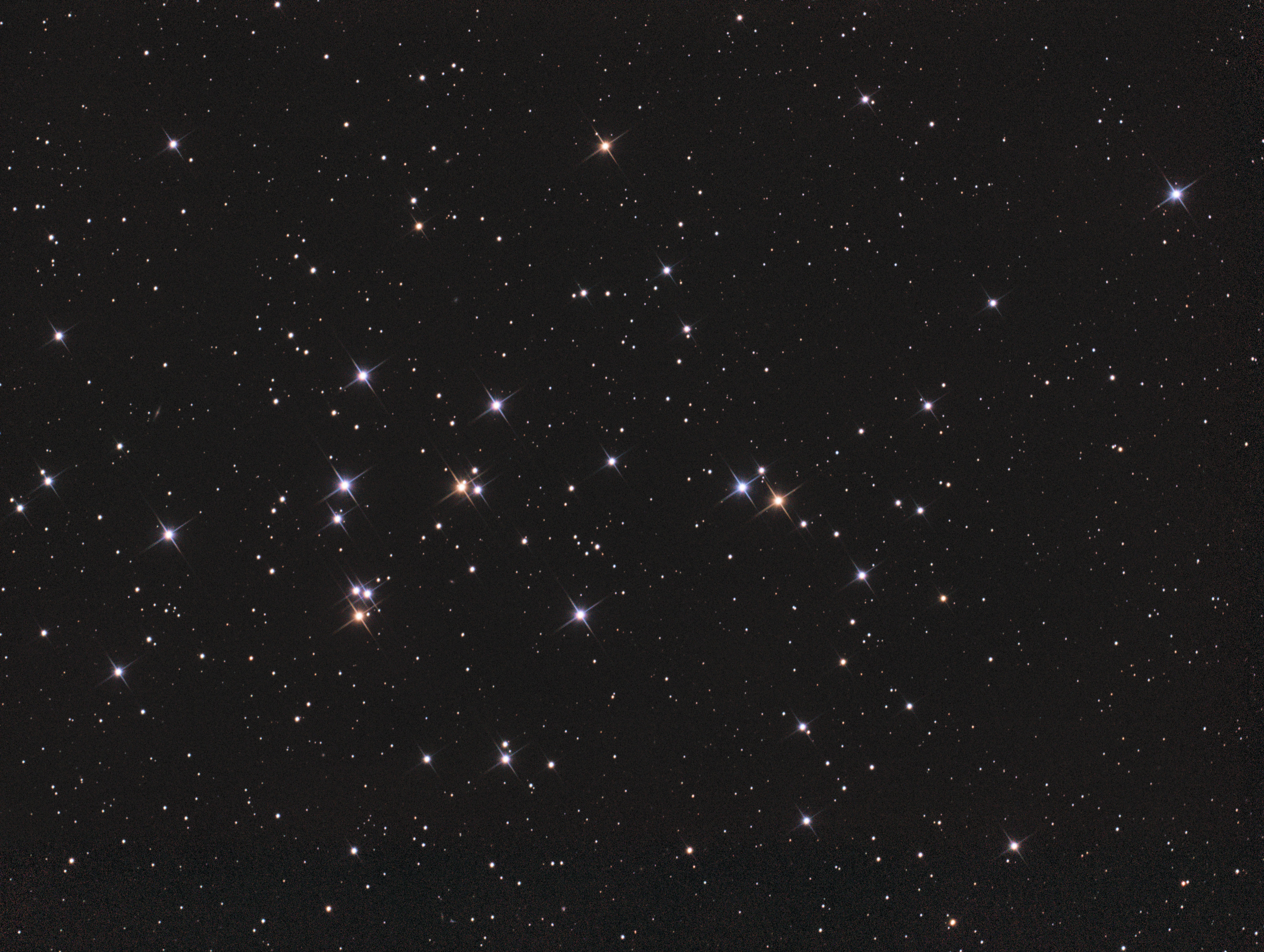
The Beehive Cluster is one of nearest open star clusters to Earth. Along with many main sequence stars it contains red giants and white dwarfs (which are much older stars). They are about 560 light-years away from Earth and on avarage 600 million years old.
C/2020 F3 (NEOWISE)
Comet C/2020 F3 (NEOWISE)
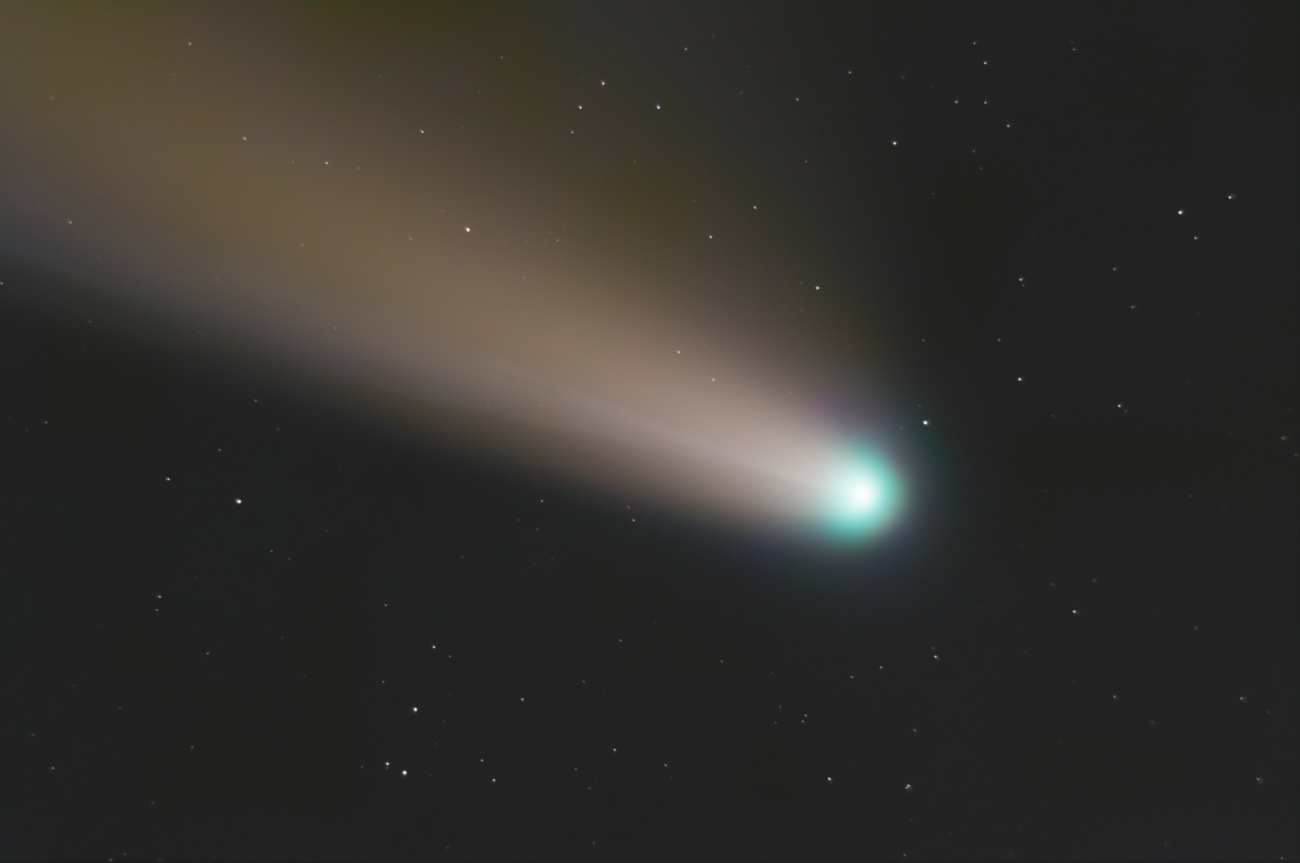
In this no-so-great-picture the comet is about 104 million km away, speeding at 54.000 km/h. The core is about 5 km in diamater, the tail is over 87.000 km long.
Star trails
Around the Polaris region
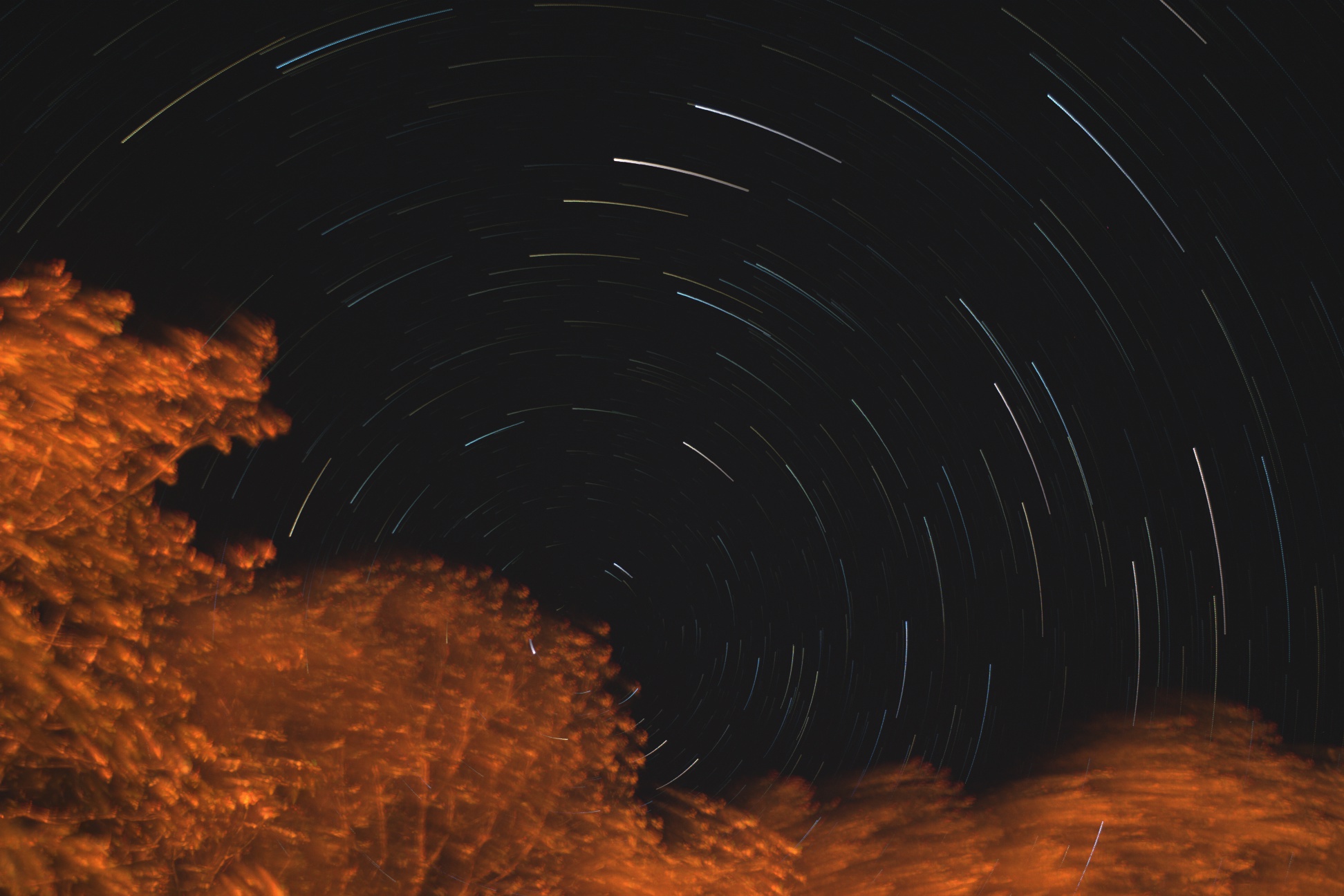
66 minutes of the Earth rotating around its axis.
ATLAS
C/2019 Y4 ATLAS, before it fell apart
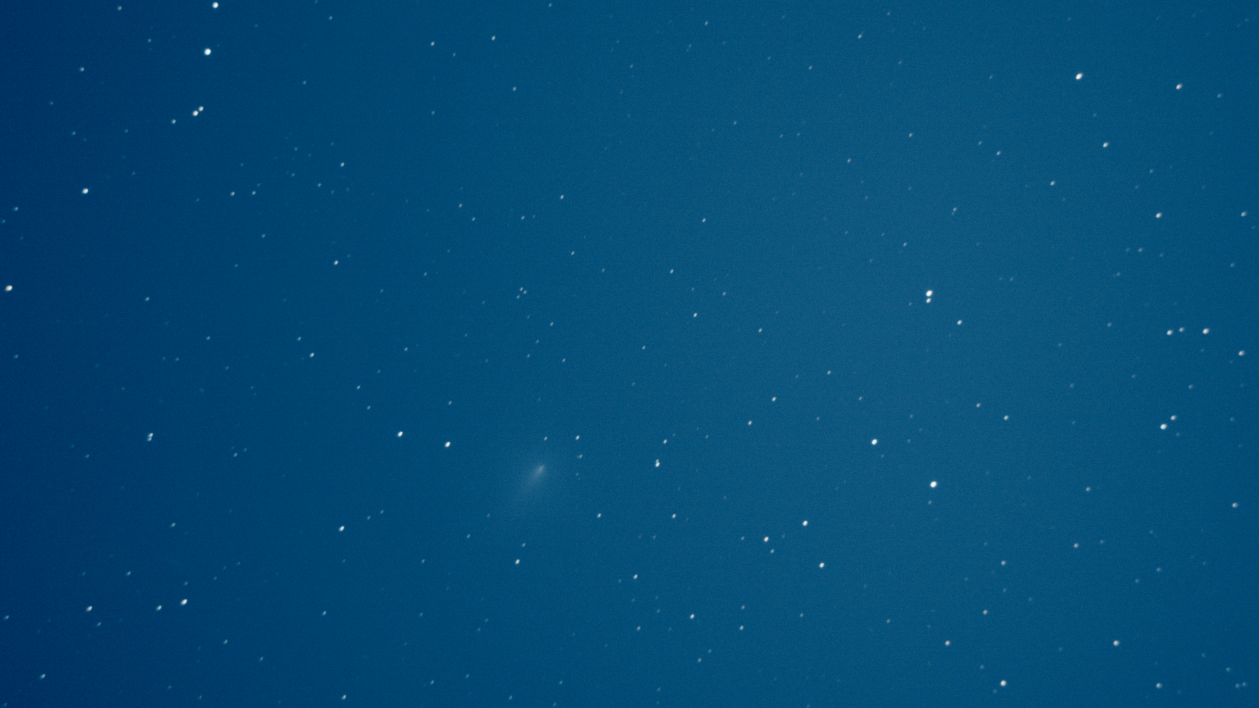
ATLAS was a Kreutz sungrazer comet. These comets are fragments of a large comet that broke up centuries ago. Their orbits take them extremely close to the Sun, and because of that they often fall apart. Thousands of this family have been discovered so far, but most of them didn’t survive their meeting with the Sun.
Solar Eclipse
2015 partial solar eclipse
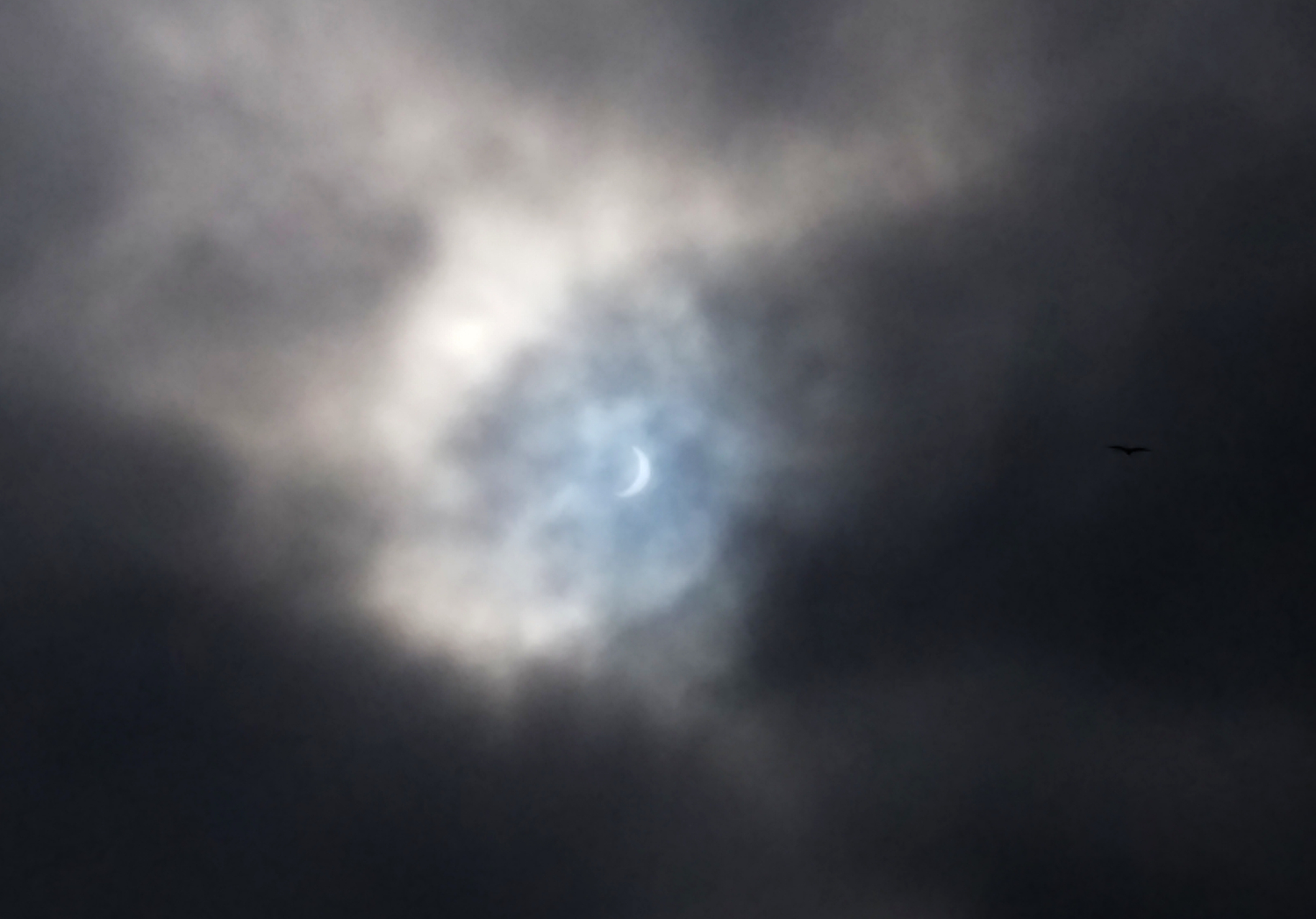
2015 partial solar eclipse in Ireland as observed with a shoebox. A camera obscura is the ancestor of the photographic camera. The Latin name means “dark chamber,” and the earliest versions consisted of small darkened rooms with light admitted through a single tiny hole. The result is an inverted image of the outside scene cast on the opposite wall.
Articles
Blaze Star
T Coronae Borealis
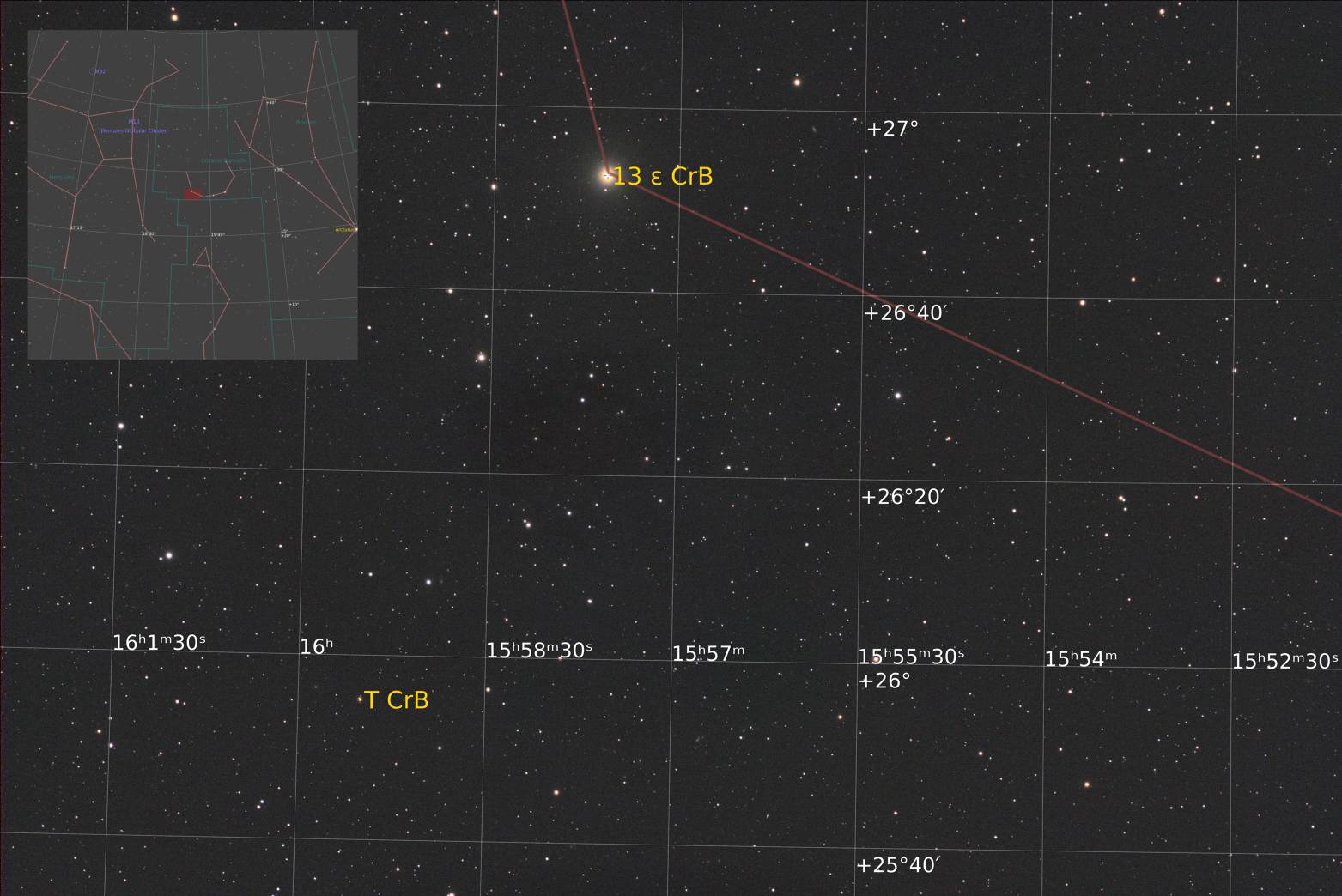
The Blaze Star is a recurring nova (not a supernova) in the constellation Corona Borealis. It also known as T Coronae Borealis or T CrB for short. A nova event is expected any day now. The star will suddenly brighten up to a similar luminosity as Polaris (North Star). The next occurance is expected in 2104.
How do we take astrophotos?
What kind of equipment is needed to take these pictures
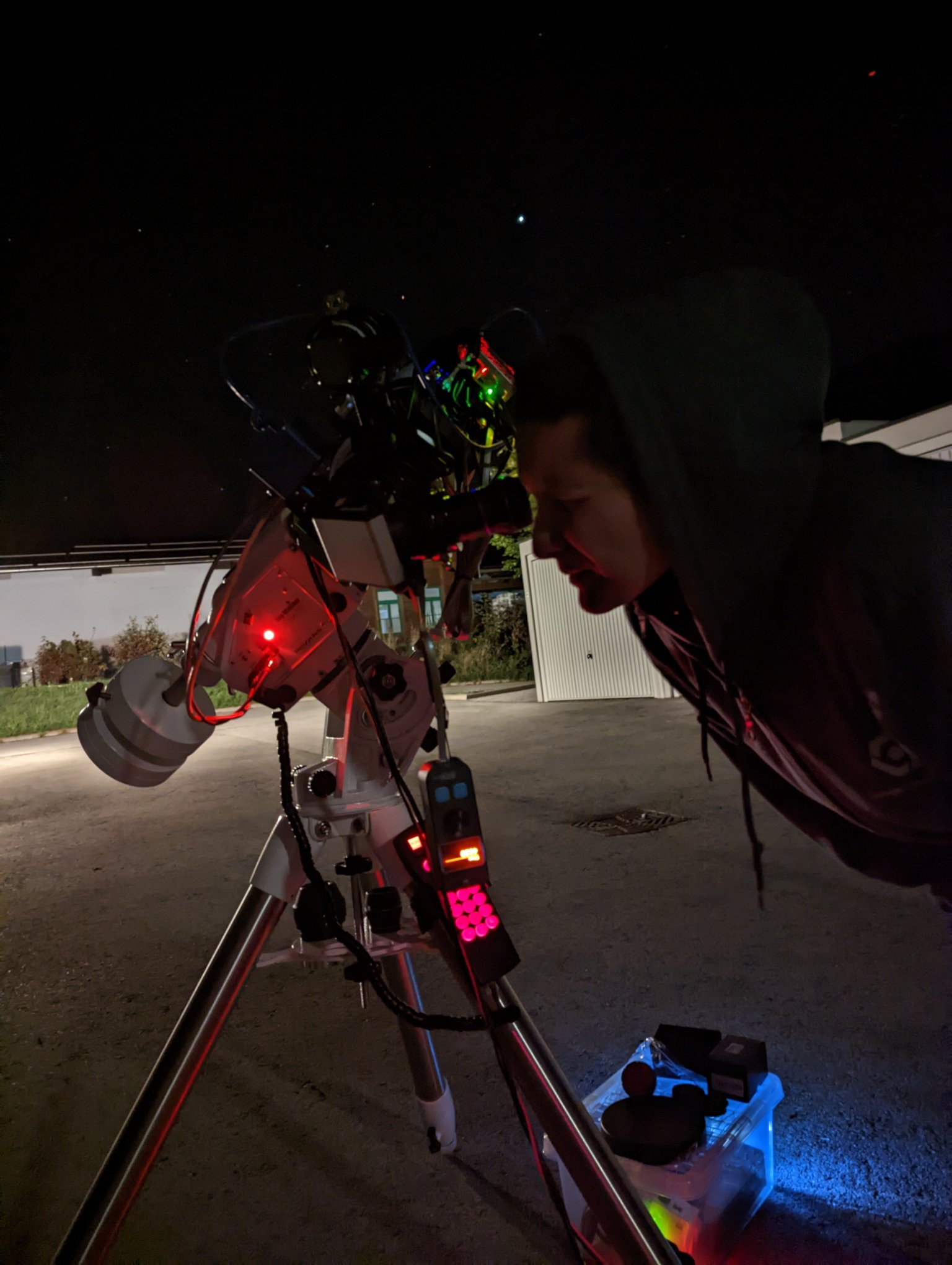
People keep asking us if these pictures are made by us. They are. Really. This is the equipment we use.
Etcetera
Assorted throwaway pancakes
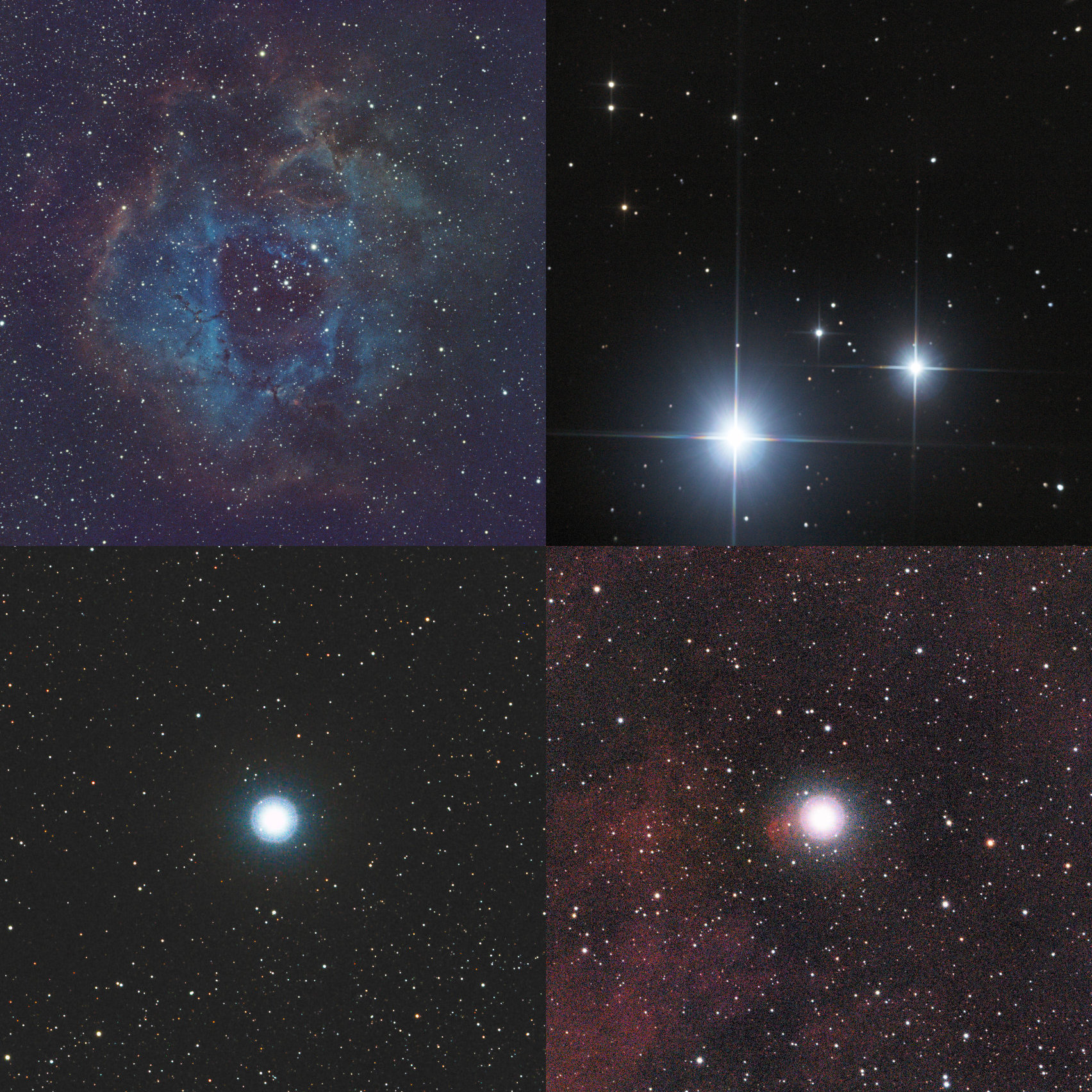
More often than not astrophotos don’t come out the way you planned them to. There are about 200 steps involved in taking a picture, and they all have to be right. Also, often we need to experiment, finetune equipment or the sky is not good enough for long enough to finish a project. These are some examples of failures and experiments.
Star trails
Around the Polaris region
66 minutes of the Earth rotating around its axis.